
Panchabhuta is a field-rooted institution working at the intersection of conservation, communities and enterprise.
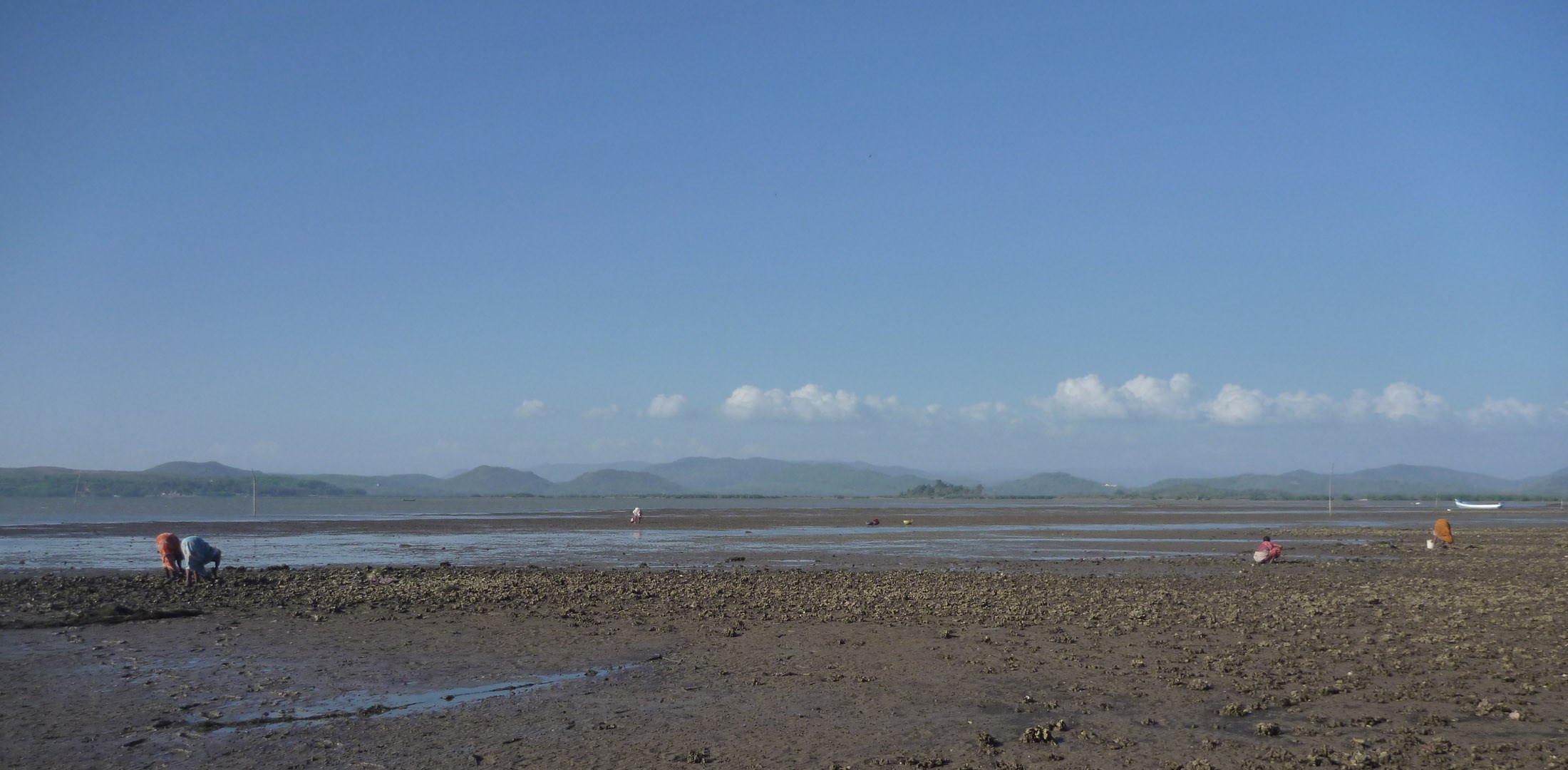
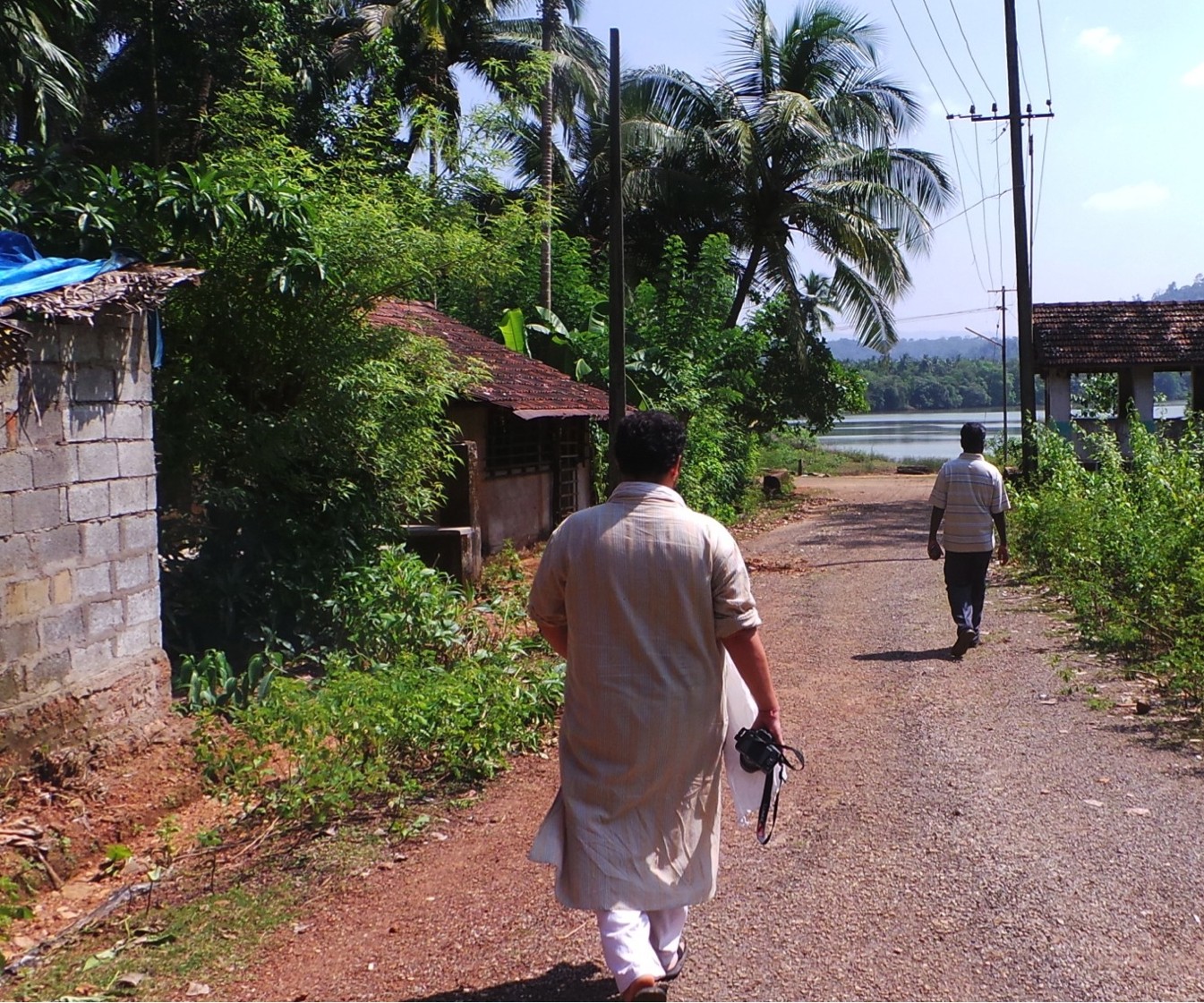
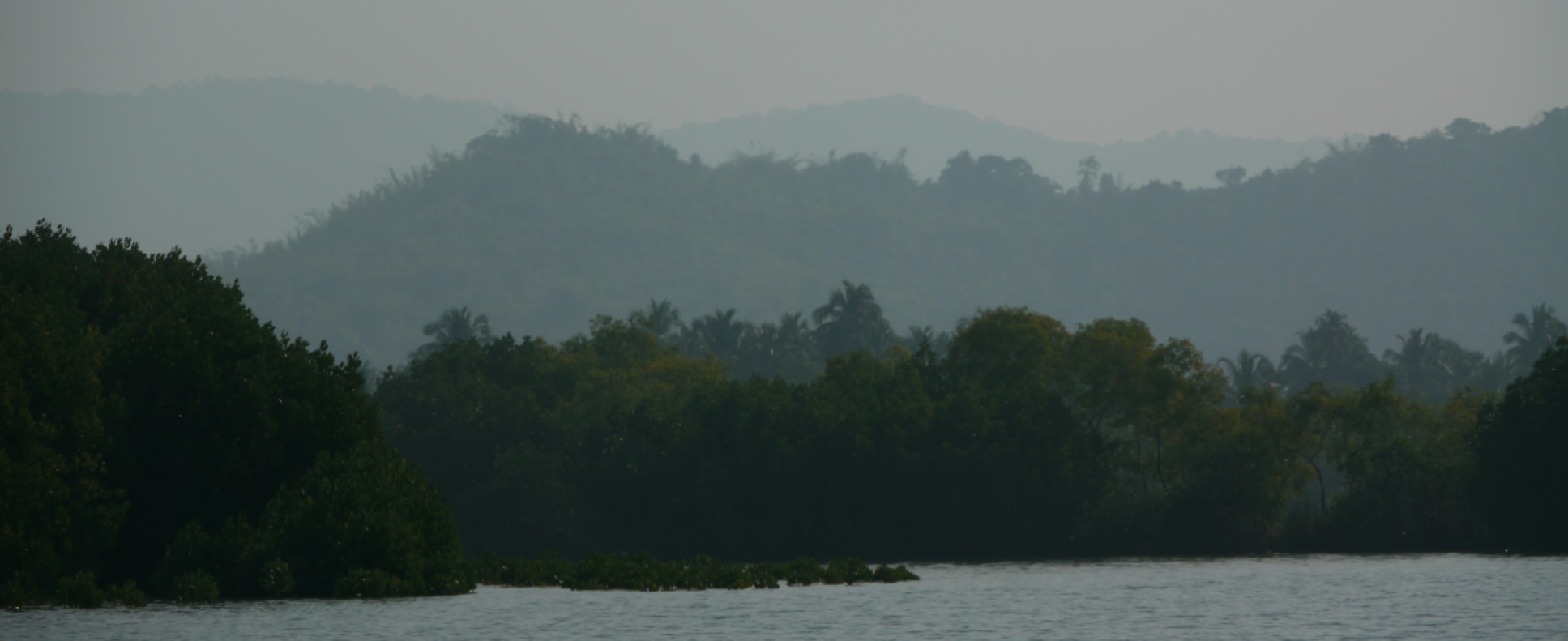
The Aghanashini Estuary and Kagal, Uttara Kannada — where this work is rooted
02Why This Estuary
One of the few undammed estuaries left on India’s west coast — a Ramsar-designated wetland whose value can’t be separated from the people who live on it.
Panchabhuta Conservation Foundation was established in 2012 in the Aghanashini ecosystem of Uttara Kannada, Karnataka, to support the conservation, documentation and sustainable use of this biodiversity-rich estuarine landscape — through nature-based conservation, research in support of responsible tourism, and incubation support for green and rural enterprise.
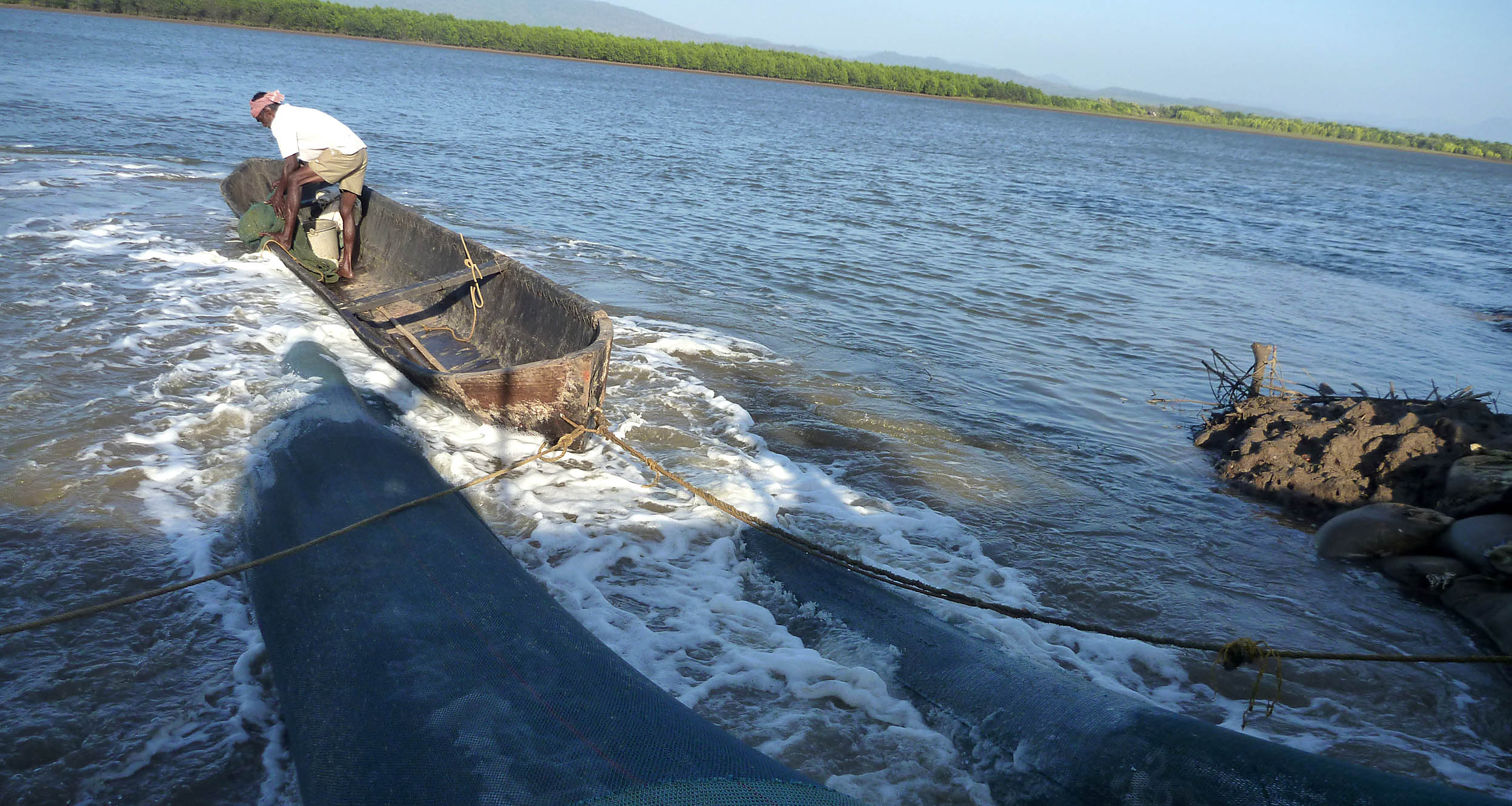
Centred on the Aghanashini Estuary and Kagal village, this stretch of coastline is still substantially undammed — one of the reasons Panchabhuta chose to work here rather than somewhere already lost. Its ecology and the livelihoods of the fishing and farming communities around it are not separate questions; they rise and fall together.
That research already puts a number on what’s at stake, mapped with Gubbi Labs and the University of South Australia.
03Evidence
Impact Snapshot
2012
Founded
Registered as a Section 25 company in Karnataka
US$297M
Ecosystem value
Estimated value of the estuary's services, per year
Ramsar
Wetland designation
One of the few undammed estuaries left on India's west coast
4
Research partners
IISc, NTNU, University of South Australia, Gubbi Labs
04History
Institutions are proven over years, not stated once. Four stages of the same development, so far.
2012
Panchabhuta Conservation Foundation is registered as a Section 25 company in Karnataka.
2015
On-ground fieldwork begins, centred on the Aghanashini Estuary and Kagal village.
2016
A homestay joint venture with local families — conservation with communities, not around them.
Today
A field station, a research programme and a green-enterprise incubator, still built on the same three objectives.
05How We Work
Four convictions that function as one method, not a mission statement — what this institution has held to since the beginning.
01
Landscape first.
Work begins with the actual ecosystem — the Aghanashini Estuary and Kagal — not an abstract framework applied to it.
02
Evidence before advocacy.
Basin mapping and ecosystem valuation come first; any policy claim Panchabhuta makes follows from that research, not ahead of it.
03
Conservation with communities, not around them.
Socio-economic research and joint ventures with the people who live on this land — the 2016 homestay precedent, not a displacement model.
04
Built to repeat.
The homestay model, and the Rural Green Business Incubator's own phased targets — designed to repeat, not a one-time outcome.
06Governance
A governing board, an independent advisory board, and the team that carries the work forward.
Directors — Governance & Finances
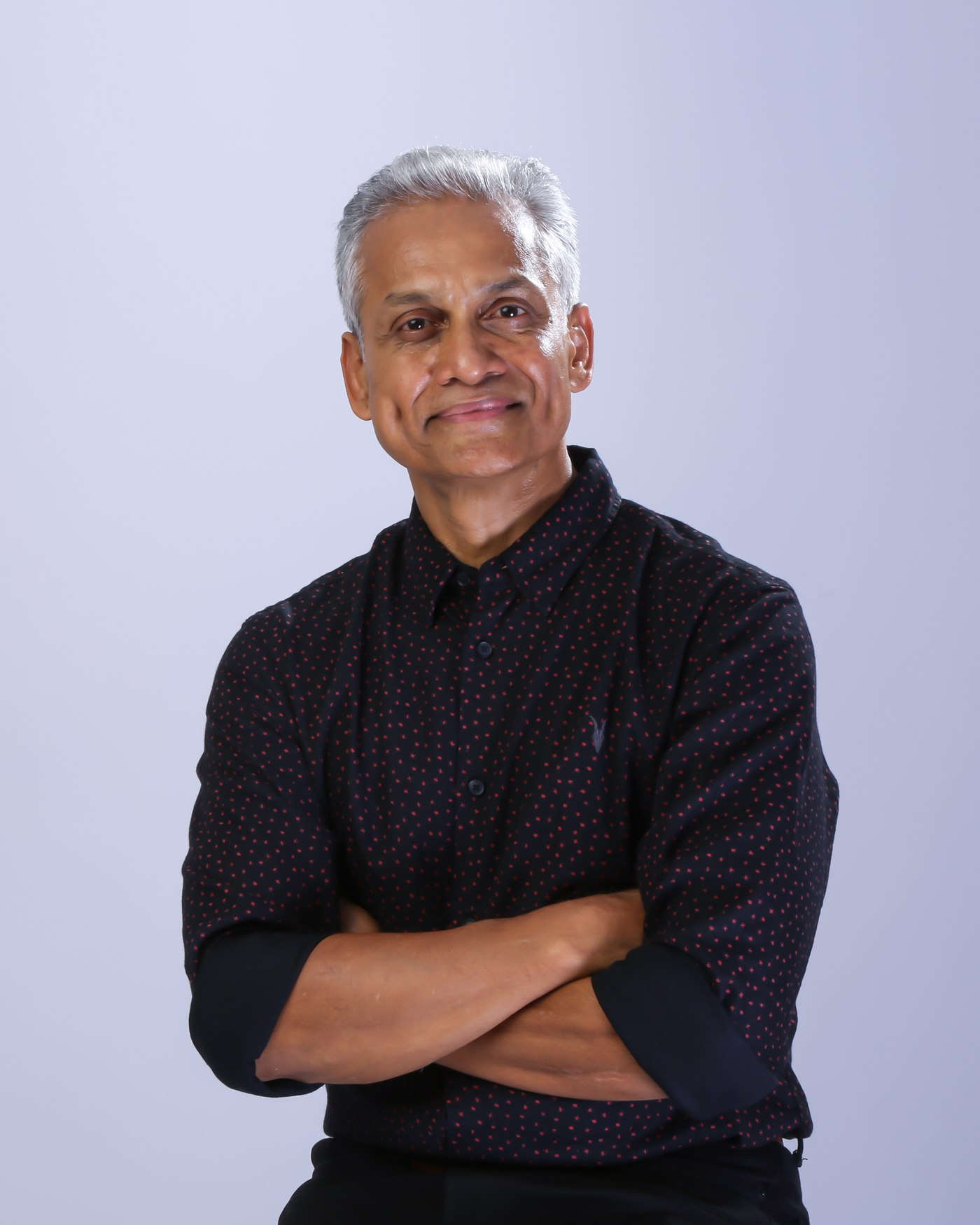
Mangal Shetty
Founder & Director
“An entrepreneur vested in nature.”
Nature-business entrepreneur; founder of Panchabhuta Conservation Foundation and Biogen Wellness.
Read moreRead less
Before returning to Karnataka, Mangal Shetty was a first-generation technology entrepreneur who co-founded several ventures, including CATS, Elind and MarketsNext, providing technology platforms to stock exchanges, banks and brokerage houses. Elind's clients included the National Stock Exchange of India, Markets Inc. (Canada) and Euro TLX (Italy); the company raised venture funding from Intel Capital before its acquisition by Headstrong Corporation, USA. He has since advised NASDAQ, Genpact and Capgemini, and is a member of the BMW Foundation's Responsible Leaders network.
He founded Panchabhuta Conservation Foundation in 2012, directing its early assessments of natural capital in the Aghanashini estuary. PCF's advocacy and research work in the region has been associated with the estuary's Ramsar designation and with opposition to industrial and infrastructure projects considered harmful to the ecosystem. He advises the Karnataka Tourism Department on coastal tourism policy, and in 2017 founded Biogen Wellness, a startup studio for nature-based businesses that now operates Panchabhuta Retreat.
- 01Nature conservation and natural-capital assessment
- 02Wetlands advocacy and environmental-policy engagement
- 03Social-enterprise and responsible-tourism entrepreneurship
- 04Institutional and financial governance
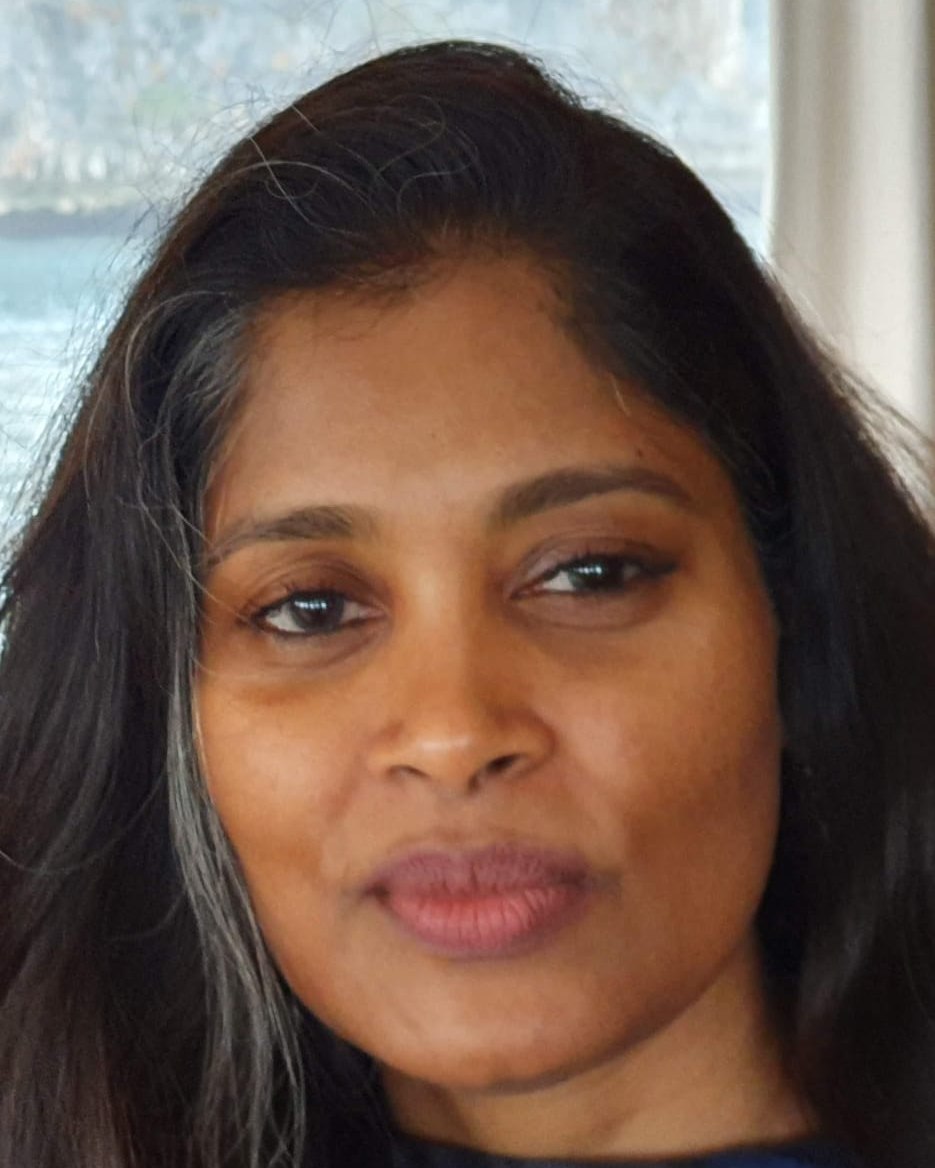
Ambika Shetty
Founder & Director
Co-founder of Panchabhuta Conservation Foundation; culinary and natural-products expert leading Biogen Wellness's hospitality and cosmetics ventures.
Read moreRead less
Suptha (Ambika) Shetty co-founded Panchabhuta Conservation Foundation with Mangal Shetty and is a Director of the Foundation. Her experience centres on drawing value from nature and from the agricultural and community knowledge of the Aghanashini region — a background in culinary heritage has made her a skilled culinary practitioner, and she has separately developed expertise in ingredient selection for natural-cosmetics formulation. She serves as Project Director for Biogen Wellness's upcoming retreat, Kirubeli Cove, and at Panchabhuta Retreat has shaped the guest experience and leads A&KA, the property's restaurant, introducing heirloom recipes from her Bunt community alongside a mindful-cooking approach that minimises kitchen waste and plastic use. She is also a co-founder of Panchabhuta Natural Cosmetics, a skincare venture developed with cosmetics specialists from Brazil and Mumbai.
Panchabhuta Retreat and A&KA, which Ambika has shaped hands-on, are cited within PCF as working examples of community-rooted, nature-linked enterprise. She is expected to play a central role in what the Foundation calls its “Panchabhuta 2.0” journey — mentoring local entrepreneurs and community enterprises to bring further nature-linked products and services to market. Alongside Mangal Shetty, she also participates in government-facing initiatives on responsible and coastal tourism development in Karnataka.
- 01Community-rooted, nature-linked enterprise and mentoring of local entrepreneurs
- 02Responsible-tourism practice and guest-experience design
- 03Heritage culinary knowledge and natural-cosmetics product development
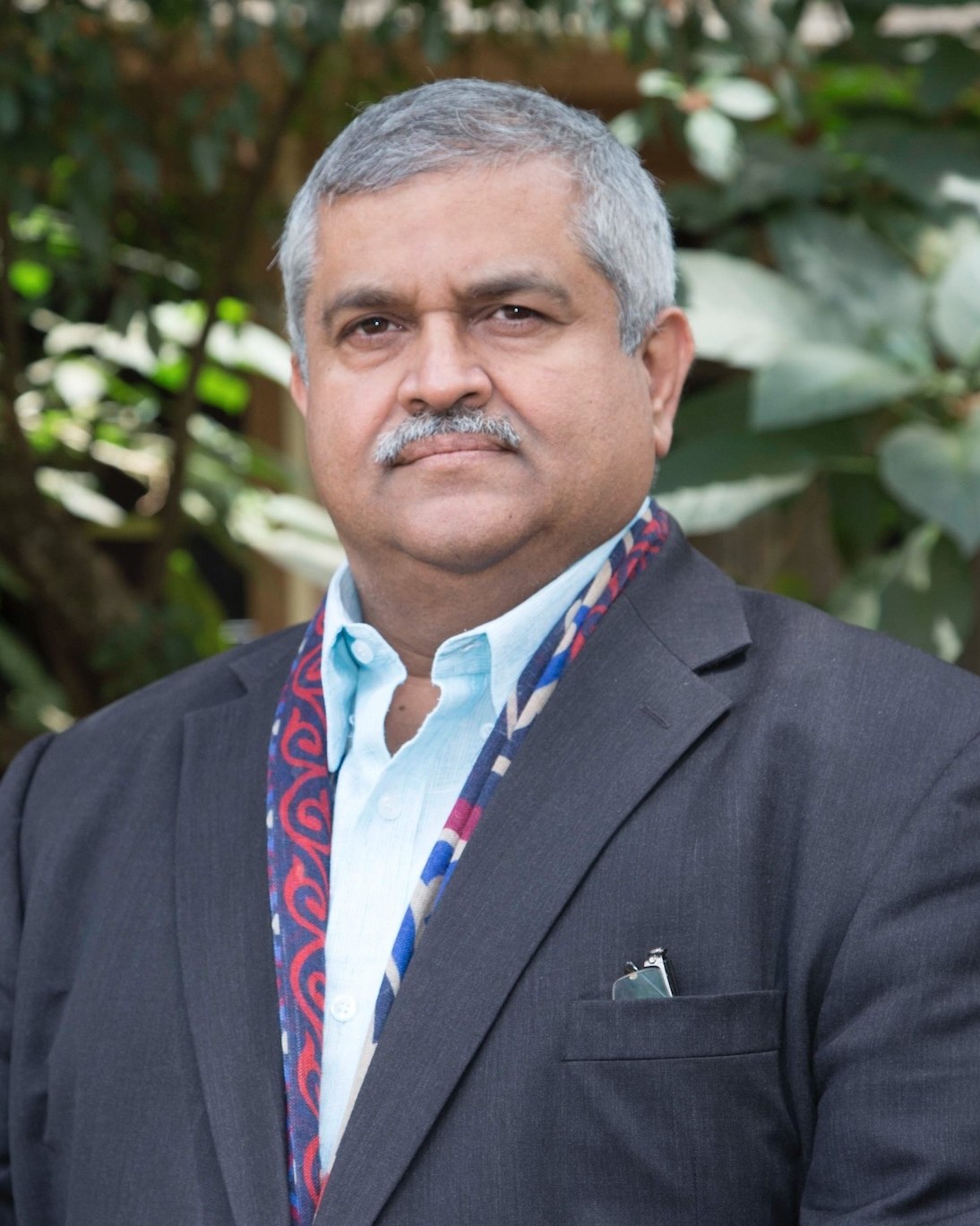
Satya S. Tripathi
Director
Development economist, lawyer and former UN Assistant Secretary-General.
Read moreRead less
Satya S. Tripathi is a development economist and lawyer with over 40 years of experience across international development, environmental governance and public-private finance. He served with the United Nations for more than two decades, most recently as UN Assistant Secretary-General and Head of the New York Office of UN Environment, and as Secretary of the UN Environment Management Group. His earlier UN roles included Head of Human Rights Investigations in post-war Bosnia, UN Recovery Coordinator for Aceh and Nias — where he helped coordinate international funding of over US$7 billion for post-tsunami recovery — and Executive Head of UNORCID, the UN office set up to implement a US$1 billion REDD+ partnership between Indonesia and Norway. He was instrumental in establishing the Tropical Landscapes Finance Facility (2016) and the Sustainable India Finance Facility (2017), and is an alumnus of the London School of Economics.
Mr. Tripathi currently serves as Secretary-General of the Global Alliance for a Sustainable Planet, sits on the Global Steering Group of the Global Ethical Finance Initiative, and is a Trustee at Water Unite. His background in international environmental governance and sustainable-finance mechanisms connects PCF's local ecosystem work in the Aghanashini estuary to wider policy and financing networks.
- 01International environmental governance and multilateral coordination
- 02Sustainable and blended finance mechanisms for conservation and development
- 03Large-scale post-crisis recovery coordination
- 04Legal and policy expertise applicable to conservation and land-use questions
Advisory Board & Programme Management — Counsel & Delivery
 Advisory
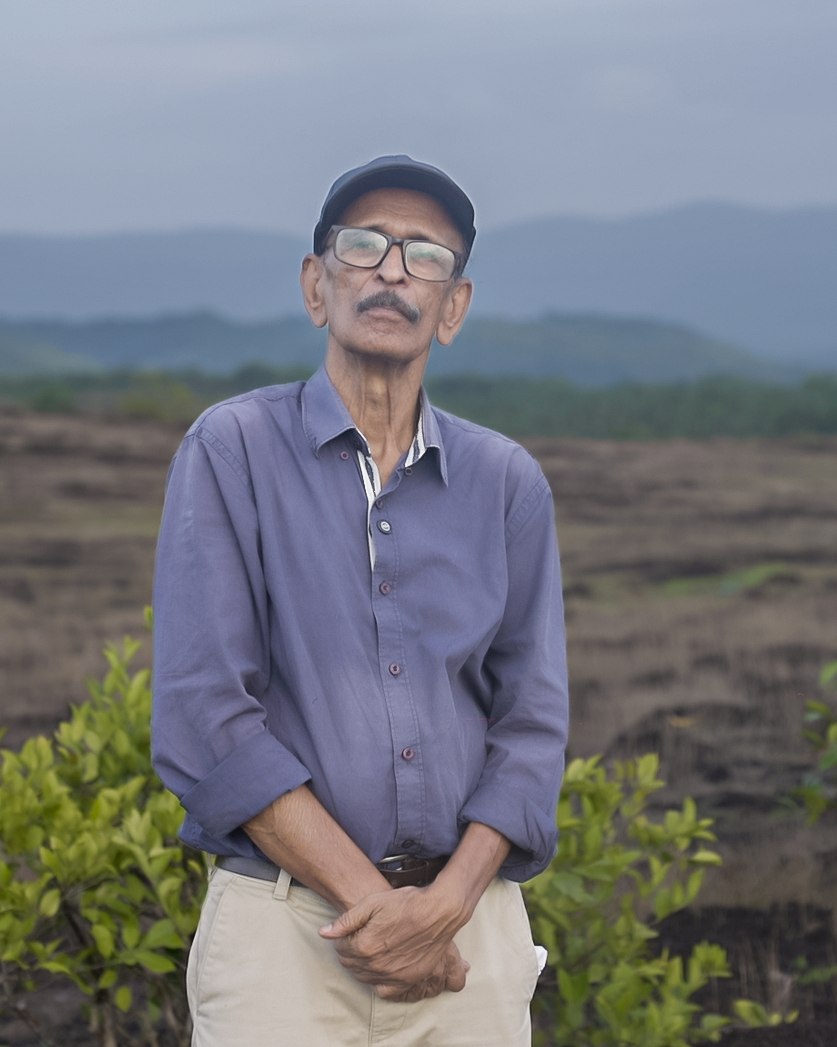
Dr. M. D. Subash Chandran
Advisory Board Member
Botanist and ecologist; Consulting Scientist, Centre for Ecological Sciences, Indian Institute of Science.
Read moreRead less
Dr. Chandran's work over more than five decades has focused on the forests, sacred groves, wetlands and coastal ecosystems of the Western Ghats, with a particular focus on Uttara Kannada district. He holds a Ph.D. from Karnatak University, Dharwad, taught botany for 32 years at Dr. Baliga A. V. College of Arts & Science, Kumta, and has been Consulting Scientist at the Centre for Ecological Sciences, Indian Institute of Science, since 2006. He has authored or co-authored several hundred research papers and technical reports, including on the estuarine ecology of the Aghanashini, Gangavali, Kali and Sharavathi river systems.
He has served two terms as a Member of the Karnataka State Biodiversity Board, and one term each on the Western Ghats Task Force and the Karnataka State Coastal Zone Management Authority. He coordinated the People's Biodiversity Registers for Uttara Kannada district, and has contributed to environmental impact assessments for projects including the Konkan Railway and the Seabird Naval Base. He was recognised with the Karnataka Rajyotsava Award (2013) and the Karnataka State Environment Award (2023).
- 01Forest and coastal ecology of the Western Ghats and Uttara Kannada
- 02Biodiversity documentation, including People's Biodiversity Registers
- 03Environmental impact assessment and regulatory experience
- 04Policy engagement through state biodiversity and environmental bodies
 Advisory
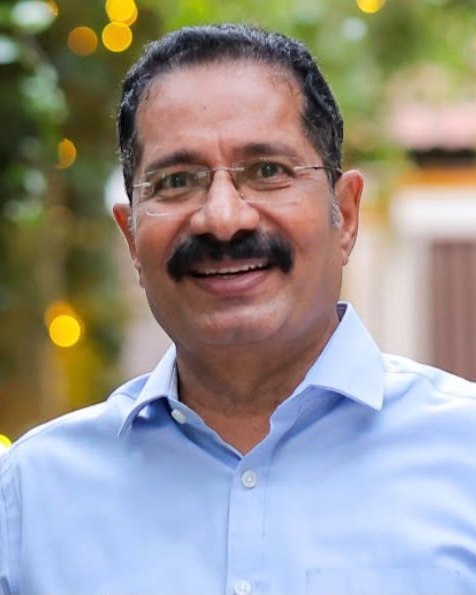
Rajeev Gaonkar
Advisory Board Member
Social worker, philanthropist and community advocate; Managing Trustee, Ashraya Foundation.
Read moreRead less
Rajeev Gaonkar has been engaged for over two decades in social work, philanthropy and community advocacy in Uttara Kannada district. He is Managing Trustee of the Ashraya Foundation, through which hundreds of underprivileged children in the district have received education and support, and holds leadership positions with several regional civic and welfare bodies.
He has been a consistent voice for underrepresented communities in local development debates, and lent his support to opposing the Tadadi Port project and to efforts protecting the Aghanashini wetlands from industrial development — concerns directly aligned with PCF's own conservation focus in the region.
- 01Grassroots community engagement and social welfare work
- 02Local advocacy on environmental and development issues in the Aghanashini region
- 03Civic and institutional credibility within Uttara Kannada district
 Programme
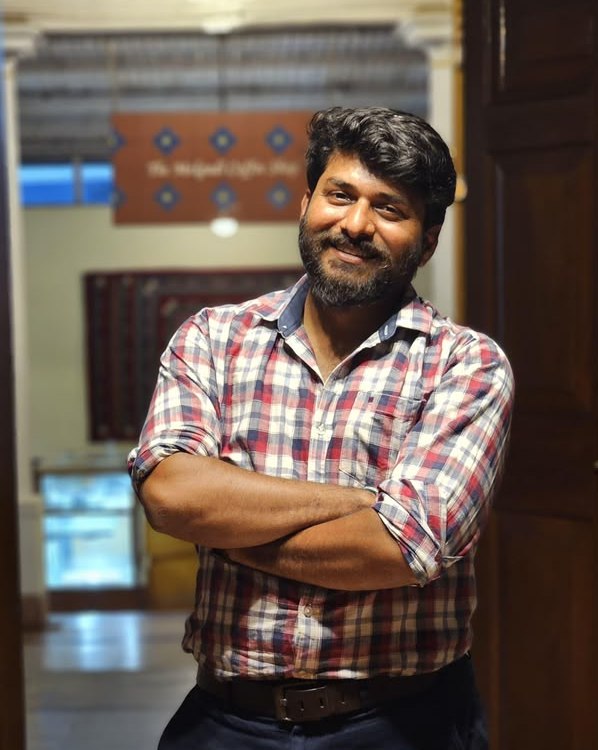
G. A. Raghavendra
Program Consultant
Non-profit programme and partnerships professional, with over nine years in the social-impact sector.
Read moreRead less
G. A. Raghavendra has over nine years of experience in the non-profit and social-impact sector, and currently serves as Manager of Strategic Partnerships and Fundraising at an NGO, covering programme design, operations management and partnership-building.
As Program Consultant to PCF, he supports the design and monitoring of programmes that address societal challenges through education and skill development, bringing his broader non-profit-sector experience to the Foundation's work.
- 01Programme design and monitoring
- 02Strategic partnerships and fundraising
- 03Non-profit operations management
 Programme
Sanjay Nayak
Accounts, Finance, Administration & Compliance
Responsible for PCF's accounts, finance, administration and statutory compliance since 2020.
Read moreRead less
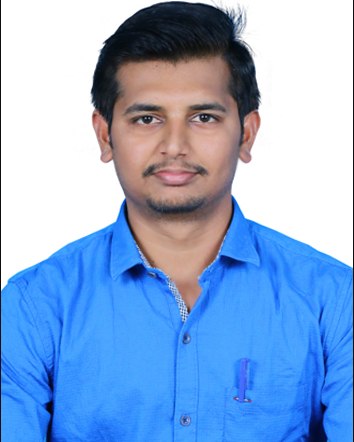
Sanjay Nayak has been with Panchabhuta Conservation Foundation since 2020, where he is responsible for accounts, finance, administration and compliance.
His work covers financial planning and budgeting, accounting, coordination of statutory audits, regulatory compliance and banking operations, with an emphasis on transparency and accountability in the Foundation's financial reporting.
- 01Financial planning, budgeting and accounting
- 02Statutory audit coordination and regulatory compliance
- 03Banking operations and internal financial systems
07Legacy
Not an abstract institution — a specific landscape, and everything a decade of work on it has produced.
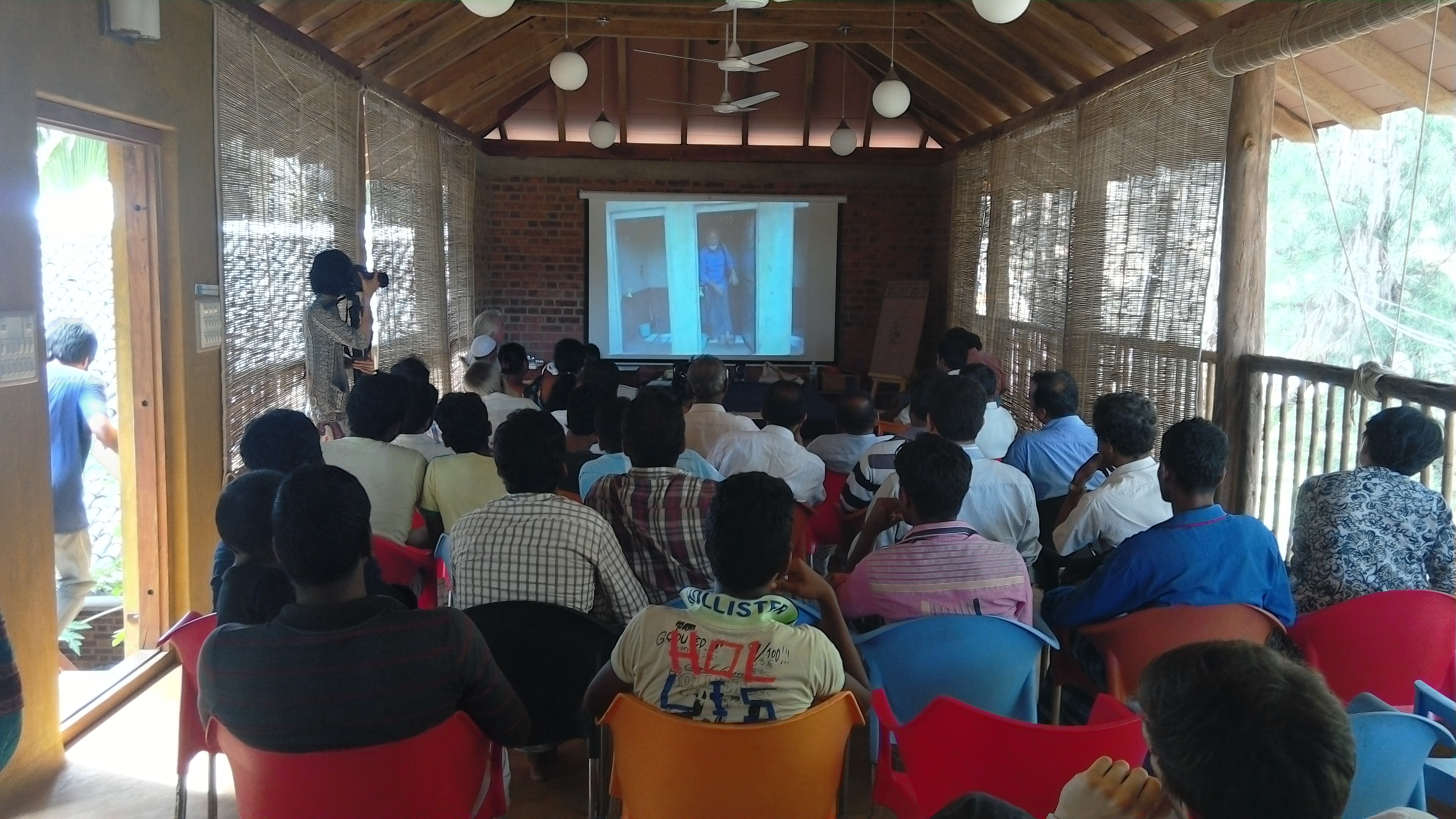
Not three disconnected programmes, but one developmental sequence: field research becomes understanding, understanding becomes community relationships, and those relationships become applied enterprise — a practice this institution keeps repeating, not a project it finished once.
 Research
 Relationships
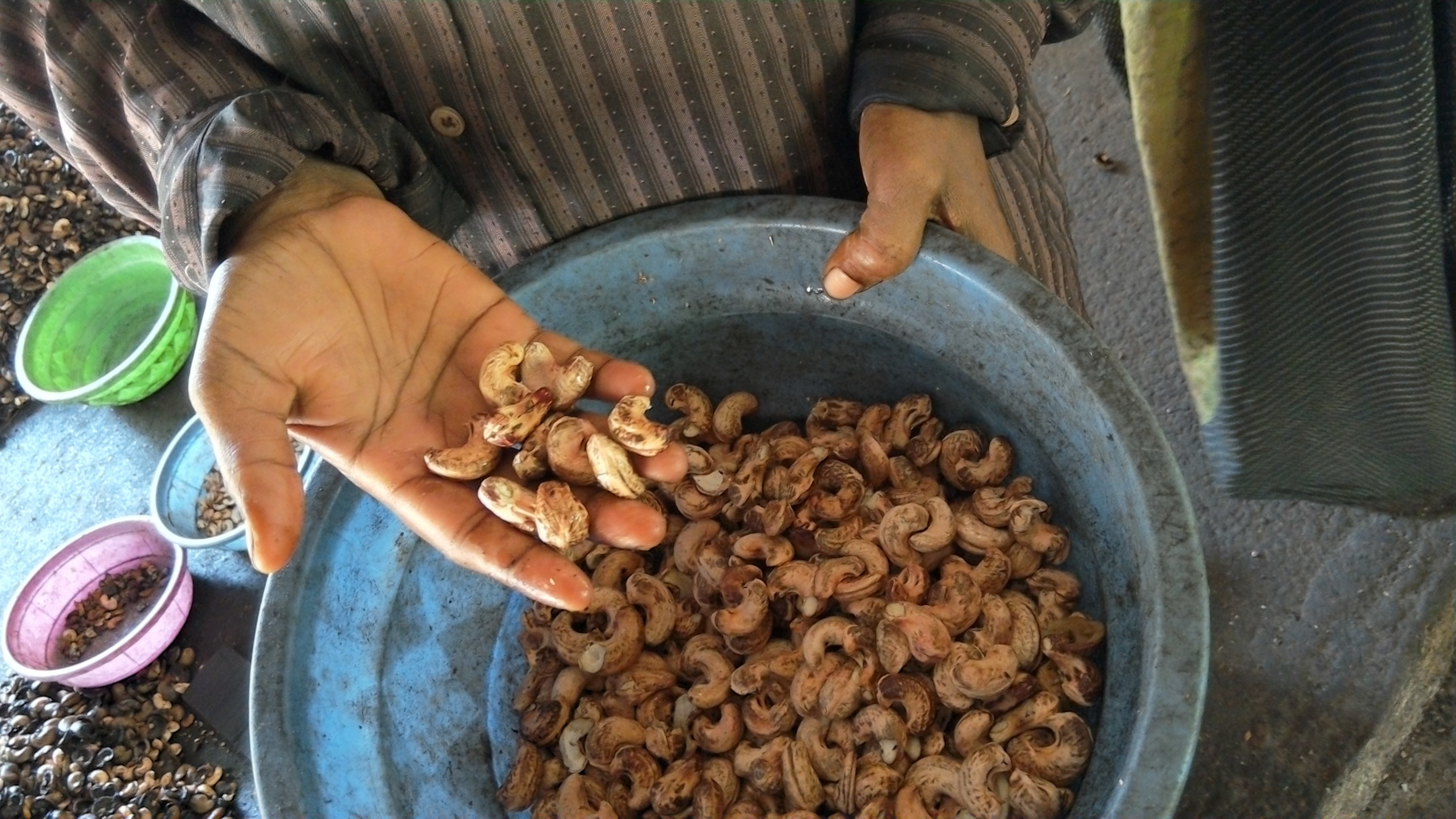 Enterprise
The Aghanashini Estuary and Kagal village, Kumta taluk, Uttara Kannada District, Karnataka — the same coastline named across every page of this site, because it is the same place every time.
The Ecosystem
An institutional ecosystem, still growing from the same root.
Conservation, research, enterprise, education and community work aren’t six separate programmes competing for attention — they’re one practice, carried by the same method in the same landscape, each feeding the next.
Conservation
Research
Innovation Lab
Entrepreneurship
Education
Community
08Join Us
Research. Collaborate. Support. Learn.